
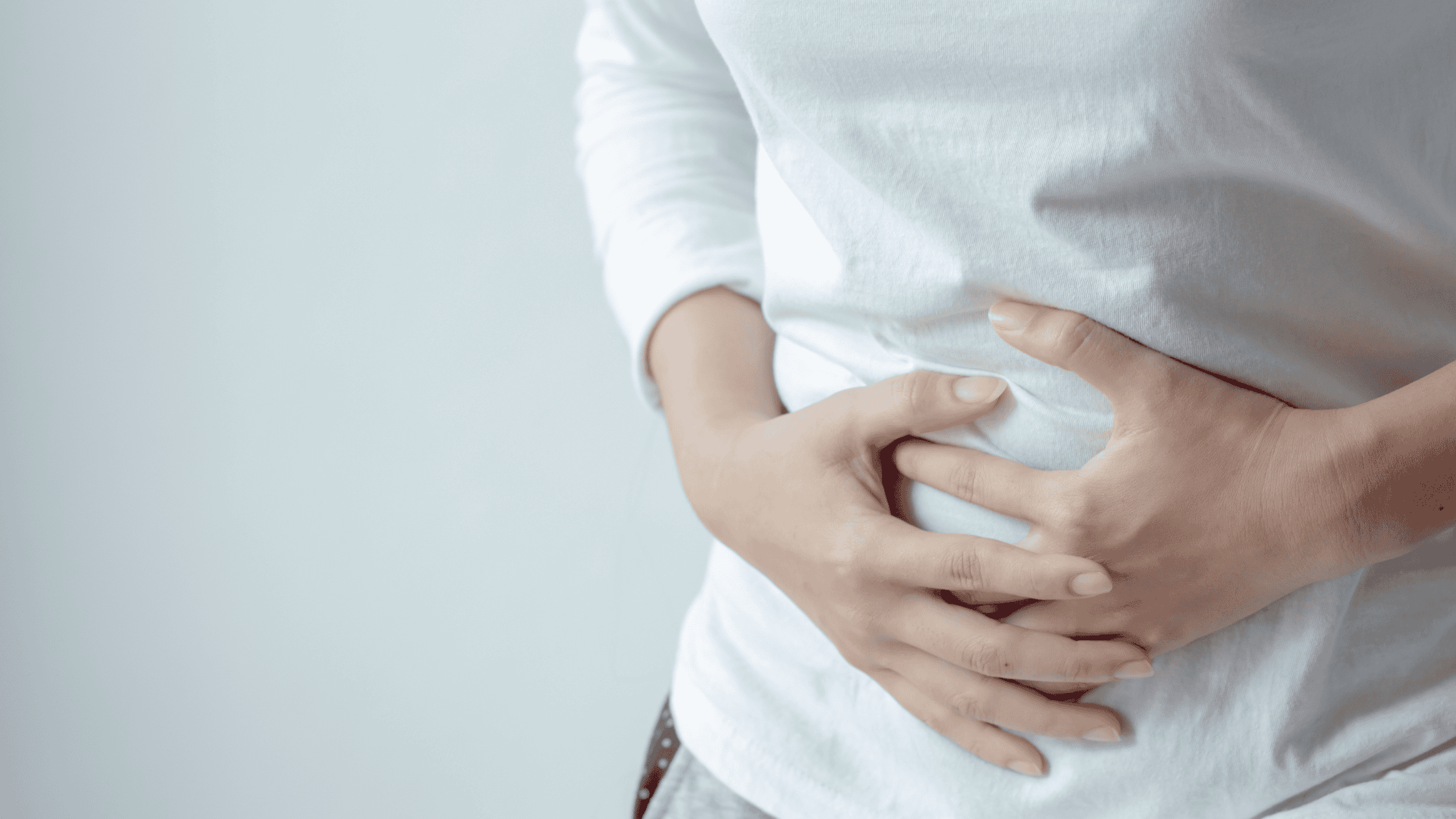
06 Oct Bloated After Every Meal? When Holiday Bloating Is Something More
Why do I feel bloated every time I eat? Bloating after a big holiday meal is normal and usually fades within a day. Bloating after nearly every meal is different. Common causes include food intolerances, constipation, SIBO, celiac disease, and hormone shifts during perimenopause. Bloating that lasts two weeks or longer and isn’t normal for you should be checked by a doctor.
Thanksgiving in Central Alabama means a full table: turkey, dressing, sweet potato casserole, mac and cheese, rolls, and at least two kinds of pie. Feeling stuffed afterward is practically a tradition.
But for many women, that uncomfortable, tight, swollen feeling doesn’t wait for the holidays. It shows up after breakfast, lunch, and dinner, whether the meal was big or small. If that sounds like you, the holiday table isn’t the real problem.
Is holiday bloating normal?
Yes, within limits. Large portions, rich and fatty foods, extra salt, carbonated drinks, alcohol, and eating quickly can all cause temporary bloating. So can sitting for hours after a meal.
Normal holiday bloating usually:
- Follows an unusually large or rich meal
- Improves within several hours to a day
- Doesn’t come with pain, vomiting, or changes in your weight
When is bloating something more?
Pay attention when bloating becomes a pattern instead of an occasional event. These signs suggest something more is going on:
- You’re bloated after most meals, even small or simple ones
- Your belly is flat in the morning but swollen by evening on most days
- Bloating comes with gas, pain, diarrhea, or constipation
- Certain foods reliably make it worse
- It has been going on for weeks or months
What causes bloating after every meal?
Persistent bloating has many possible causes, and often more than one is involved.
Food intolerances. Lactose and certain carbohydrates that ferment in the gut are common triggers. Intolerances can appear or worsen as you get older.
Constipation. When stool moves slowly, gas builds up behind it. This is one of the most common and most overlooked causes of bloating.
Small intestinal bacterial overgrowth (SIBO). SIBO happens when too many bacteria grow in the small intestine. According to Cleveland Clinic, its symptoms include bloating, gas, and diarrhea, and it’s usually diagnosed with a breath test.
Celiac disease. This autoimmune reaction to gluten can cause bloating and other digestive symptoms, according to the National Institute of Diabetes and Digestive and Kidney Diseases. Adults can have celiac disease too. If you suspect it, get tested before you cut out gluten, because removing gluten first can affect your test results.
Hormone changes. Cleveland Clinic notes that bloating is common during the hormone fluctuations of perimenopause. Many women in their 40s notice bloating that follows the pattern of their cycle.
Stress and eating habits. Eating on the run, eating while stressed, and swallowing air can all contribute to bloating.
Bloating Warning Signs You Shouldn’t Ignore
This section matters most. Persistent bloating can be an early warning sign of ovarian cancer, which is often missed because its symptoms are vague.
The Centers for Disease Control and Prevention advises seeing a doctor if you have signs such as bloating, pelvic or abdominal pain, feeling full quickly, or urinary urgency for two weeks or longer when they aren’t normal for you.
Also get prompt medical care if your bloating comes with any of these red flags, which Cleveland Clinic lists as reasons to see a provider:
- Fever
- Vomiting
- Bleeding, including blood in your stool
- Weakness
- Unexplained weight loss
If you’re 45 or older and haven’t been screened for colorectal cancer, ask your doctor about it. The U.S. Preventive Services Task Force recommends that screening begin at age 45.
Tips for a More Comfortable Holiday Table
These tips won’t fix an underlying problem, but they can make holiday meals easier:
- Eat slowly. Put your fork down between bites and give your fullness signals time to catch up.
- Start with protein and vegetables. Then decide how much room you have for rolls and dessert.
- Go easy on carbonated drinks and alcohol. Both add gas and can irritate your digestion.
- Take a walk after the meal. A short walk around the neighborhood helps digestion more than the couch does.
- Notice your triggers. If the same dish leaves you miserable every year, your body is telling you something.
How Alabama Functional Medicine Approaches Persistent Bloating
At Alabama Functional Medicine, we don’t treat bloating as something you should just live with. We also don’t skip the important step of ruling out serious causes.
We start with a detailed history: what you eat, when bloating happens, your bowel habits, your cycle, your stress, your medications, and any past antibiotic use. From there, we work with you on targeted testing and a plan that supports your gut, guided by the Replenish and Reset phases of the Saluxis Method.
For women dealing with digestive problems alongside fatigue, pain, or other chronic symptoms, our Revitalize You program offers longer-term support.
Frequently Asked Questions
Why do I feel bloated every time I eat, even after small meals?
Common causes include food intolerances, constipation, SIBO, celiac disease, and hormone changes. Bloating after most meals is worth discussing with a clinician.
How long is too long for bloating to last?
The CDC advises seeing a doctor if bloating or related symptoms last two weeks or longer and aren’t normal for you.
Can perimenopause cause bloating?
Yes. Bloating is common during the hormone fluctuations of perimenopause.
What helps with bloating after Thanksgiving dinner?
A short walk, water, and time usually help. Eating slowly and going easy on carbonated drinks and alcohol can help prevent it.
Key Takeaways
- Bloating after a big holiday meal is normal and short-lived.
- Bloating after most meals points to an underlying cause worth finding.
- Bloating that lasts two weeks or longer and isn’t normal for you should be checked, in part to rule out ovarian cancer.
- Fever, vomiting, bleeding, weakness, or weight loss with bloating needs prompt care.
Enjoy the Holidays Without Dreading Every Meal
If bloating is part of every day, not just Thanksgiving, let’s find out why. Alabama Functional Medicine serves women across Montgomery, Auburn, Opelika, Prattville, Wetumpka, Millbrook, and Pike Road.
Call our Montgomery clinic at (334) 819-8190 or our Auburn clinic at (334) 826-1704 to schedule a visit. Prefer to learn more first? Join Dr. McWhorter’s free monthly Functional Foundations webinar.
This article is for educational purposes only and is not a substitute for individual medical advice. Talk with a qualified healthcare provider about your symptoms.