
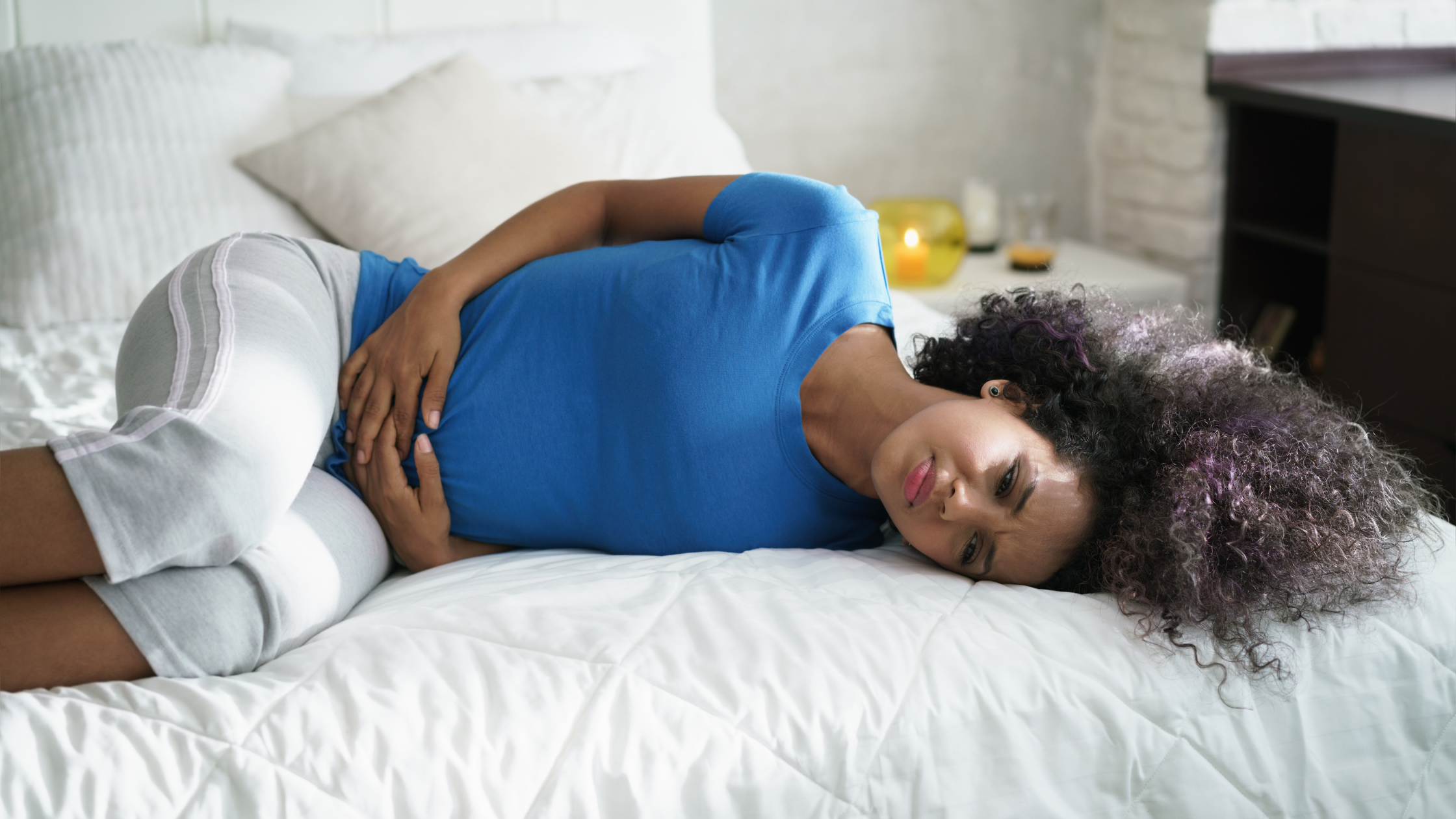
04 Sep Severe Period Pain: What Causes Painful Periods and When Should You See a Doctor?
Quick Answer: Severe period pain, known medically as dysmenorrhea, is often caused by prostaglandins, hormone-like compounds that trigger uterine contractions. But pain that’s truly severe can also point to conditions like endometriosis, fibroids, adenomyosis, or pelvic inflammatory disease. See a doctor if your pain stops you from going about your day, doesn’t respond to over-the-counter medication, is getting worse over time, or comes with heavy bleeding, fever, or pain outside your period.
If you’ve been told severe cramps are just part of having a period, it’s worth a second look. At Alabama Functional Medicine, chronic pelvic pain is treated as a solvable problem through root-cause, whole-person care guided by the Saluxis Method, not something you’re expected to manage forever.
What Counts as “Severe” Period Pain?
Cramping during your period is common, but there’s a difference between typical discomfort and pain that interferes with your life. Dr. Ryan McWhorter sees this distinction often. If your period regularly keeps you home from work or school, isn’t relieved by over-the-counter pain medication, or comes with symptoms like nausea, vomiting, or fainting, that’s not something you should have to just push through.
A helpful gut check: on a scale of 1 to 10, most manageable period cramps sit around a 3 or 4. If you’re consistently landing at a 7 or higher, or if the pain has been getting worse month over month, it’s worth a closer look.
Common Causes of Painful Periods
There are several possible explanations for severe period pain, and they range from a normal (if uncomfortable) biological process to conditions that need medical attention.
Primary Dysmenorrhea
This is the most common cause of period pain, and it happens without any underlying condition. As your uterine lining breaks down and sheds, it releases prostaglandins, compounds that trigger the uterine muscle to contract. Higher prostaglandin levels tend to mean stronger, more painful contractions.
Endometriosis
Endometriosis occurs when tissue similar to the uterine lining grows outside the uterus. It’s one of the most common causes of pain that’s disproportionate to what over-the-counter medication can manage, and it often comes with pain during sex, bowel movements, or urination during your period.
Uterine Fibroids
Fibroids are noncancerous growths in or on the uterus. Depending on their size and location, they can cause heavy bleeding, pelvic pressure, and pain that intensifies during your period.
Adenomyosis
This happens when the tissue that normally lines the uterus grows into the uterine muscle wall itself, often leading to a heavier flow and cramping that feels deeper and more constant than typical period pain.
Pelvic Inflammatory Disease (PID)
PID is an infection of the reproductive organs that can cause pelvic pain, especially around your period. It typically comes with other symptoms like unusual discharge, fever, or pain during intercourse, and needs prompt medical treatment.
Ovarian Cysts
Fluid-filled sacs on the ovaries can cause sharp or dull pelvic pain that worsens around ovulation or your period. Most resolve on their own, but larger cysts can cause more significant pain and occasionally require intervention.
Red Flags: When Period Pain Needs a Doctor’s Attention
It’s time to schedule an appointment if you notice any of the following:
- Pain that keeps you from work, school, or normal activities
- Pain that doesn’t improve with over-the-counter medication
- Pain that’s gotten noticeably worse over recent cycles
- Bleeding heavy enough to soak through a pad or tampon every hour
- Pain accompanied by fever, unusual discharge, or nausea and vomiting
- Pain that occurs outside your period, or during sex or bowel movements
How Alabama Functional Medicine Approaches Painful Periods
Conventional care often stops at “here’s some medication for the pain.” At Alabama Functional Medicine, the goal is to understand why the pain is happening in the first place. That starts with the Saluxis Method, a four-phase process that begins with in-depth testing (Release) and moves through targeted nutrition and supplementation (Replenish), immune and nervous system support (Reset), and advanced therapies (Rewire) to help identify and address hormonal imbalances, inflammation, and other root causes behind chronic pelvic pain.
From there, care is built around your specific findings, not a one-size-fits-all prescription. If you’ve been told your pain is “just part of being a woman,” it’s worth getting a second opinion from a provider who treats it as a real, solvable problem.
Frequently Asked Questions
Is it normal to have period pain so bad you can’t get out of bed?
No. Occasional discomfort is common, but pain severe enough to keep you from your normal routine isn’t something you should have to accept as normal. It’s worth having it evaluated.
Can stress make period pain worse?
Yes. Chronic stress can affect hormone balance and inflammation levels, both of which play a role in how intense period pain feels.
What tests help find the cause of severe period pain?
Depending on your symptoms, a provider may recommend a pelvic exam, ultrasound, hormone panel, or inflammatory markers to help pinpoint what’s driving the pain.
Do I need to see a specialist, or can my primary care provider help?
A provider experienced in root-cause, whole-person evaluation, whether that’s a gynecologist or a functional medicine practice, is often better equipped to dig past symptom management than a standard, time-limited visit allows.
Key Takeaways
- Severe period pain has real, identifiable causes, from prostaglandins to endometriosis, fibroids, adenomyosis, PID, or ovarian cysts.
- Pain that disrupts your daily life or doesn’t respond to OTC medication is a signal to get evaluated, not something to push through.
- Watch for red flags: worsening pain, heavy bleeding, fever, or pain outside your period.
- Root-cause testing can identify what’s actually driving your pain, rather than just managing symptoms.
Ready to Find Out What’s Really Behind Your Pain?
If period pain has been running your life, you don’t have to keep guessing. Alabama Functional Medicine offers a free Functional Foundations Zoom consultation to talk through your symptoms and next steps, with in-person care available at our Montgomery and Auburn locations.
Schedule Your Free Functional Foundations Zoom →
This article is for educational purposes only and isn’t a substitute for professional medical advice, diagnosis, or treatment. Always talk with a qualified healthcare provider about your specific symptoms and health history.